Introduction: The Importance of Reliable AC Power in Everyday Life
AC power plays an indispensable role in our daily lives, serving as the backbone for various activities in our homes, offices, and commercial spaces. Alternating current (AC) is the standard form of electricity delivered to residential and commercial properties, allowing us to run essential appliances and devices. The importance of reliable AC power cannot be overstated, as it directly impacts comfort, productivity, and safety.
In a home setting, AC power energizes everything from lighting fixtures to smart home devices. It allows families to use refrigerators, heating systems, and entertainment equipment all at once. The seamless operation of these electronic devices relies heavily on having dependable power solutions that not only meet the required voltage and current specifications but are also safe to use. A lack of reliable power can lead to frustration and disruption in daily routines.
In work environments, the need for efficient AC power becomes even more critical. Modern businesses rely on an array of electronic tools, from computers to specialized machinery. Any disruption in AC power can halt production, leading to potential financial losses and decreased workforce morale. Additionally, the integration of power accessories, such as uninterruptible power supplies (UPS), ensures that operations continue even during power fluctuations or outages, reinforcing the importance of investing in quality power solutions.
Commercial spaces face similar challenges, where consistent AC power is vital for maintaining operational efficiency. From retail outlets to data centers, ensuring a continuous and stable power supply is paramount for providing services and safeguarding sensitive data. Therefore, acknowledging the essential role of reliable AC power is crucial for both residential and business activities. Through the implementation of efficient and safe power management solutions, we can enhance our productivity and overall quality of life.

Understanding AC Power Solutions
AC power solutions refer to systems and devices that utilize alternating current (AC) for efficient electrical energy distribution. Alternating current is a type of electrical current in which the direction of flow periodically reverses, in contrast to direct current (DC), where the flow of electric charge is unidirectional. In residential and commercial settings, AC power is primarily employed due to its advantageous properties, particularly in relation to transmission over long distances and powering a wide range of devices.
One of the defining characteristics of AC is its ability to be transformed easily into various voltage levels using transformers. This trait allows for minimal energy loss during transmission, enabling it to reach homes and offices efficiently. The most common frequency of AC used in North America, for instance, is 60 Hz, while in many other parts of the world, 50 Hz is the standard. Devices designed for these specifications typically incorporate designs that leverage the unique properties of AC.
Understanding AC power solutions involves familiarizing oneself with various technologies and devices that integrate this type of power. Common AC power solutions may include circuit breakers, surge protectors, power strips, and uninterruptible power supplies (UPS). Each of these components plays a crucial role in ensuring that electrical appliances operate safely and reliably. Moreover, the rising adoption of renewable energy sources, such as solar power systems, has further underscored the importance of effective AC power solutions, as these systems often require inverters to convert generated DC into usable AC power.
As we progress through this guide, we will explore specific AC power solutions available on the market, their functionalities, and how they can enhance energy efficiency and safety in both home and office environments.
Types of AC Power Products
The increasing reliance on electrical devices in both home and office settings necessitates an understanding of various AC power solutions. These solutions not only provide power but also enhance safety and efficiency through careful design and technology. In this section, we categorize the most common types of AC power products available today.
First, power strips are a popular choice for users looking to maximize the number of devices that can be powered from a single outlet. These strips typically feature multiple outlets that allow users to plug in several devices at once. Some advanced models also come with additional features such as built-in USB ports and even energy monitoring capabilities. By facilitating the connection of multiple devices, power strips help manage space and reduce the risk of overload.
Surge protectors are another critical type of AC power product that provides users with a layer of security against voltage spikes. These devices are designed to absorb excess voltage during electrical surges, protecting sensitive electronics from damage. This not only enhances safety but can also prolong the lifespan of expensive devices such as computers and televisions.
Next, extension boards serve a similar purpose to power strips, yet they are typically longer and more versatile in their functionality. They can accommodate larger plugs and often include features such as individual switches for each outlet, which can save energy and reduce risk when devices are not in use. Users benefit from having more flexibility with their power supply options, particularly in large spaces.
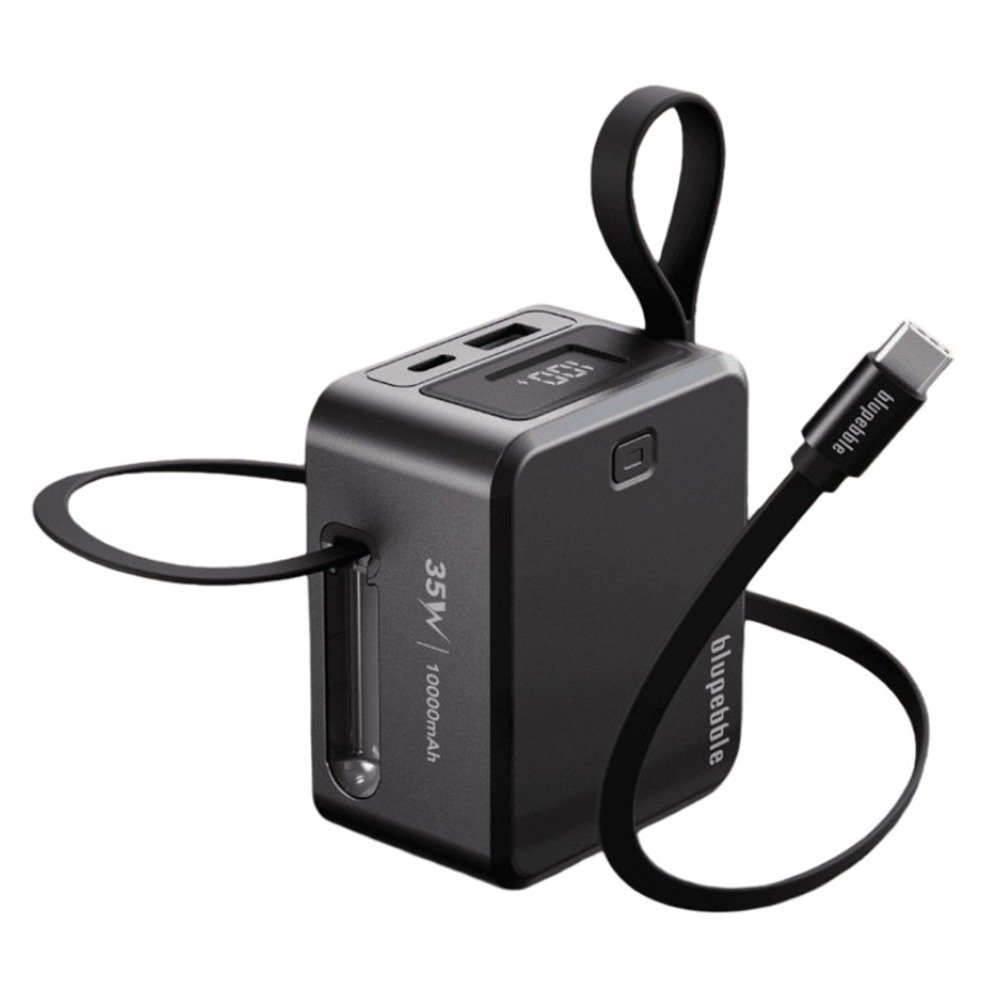
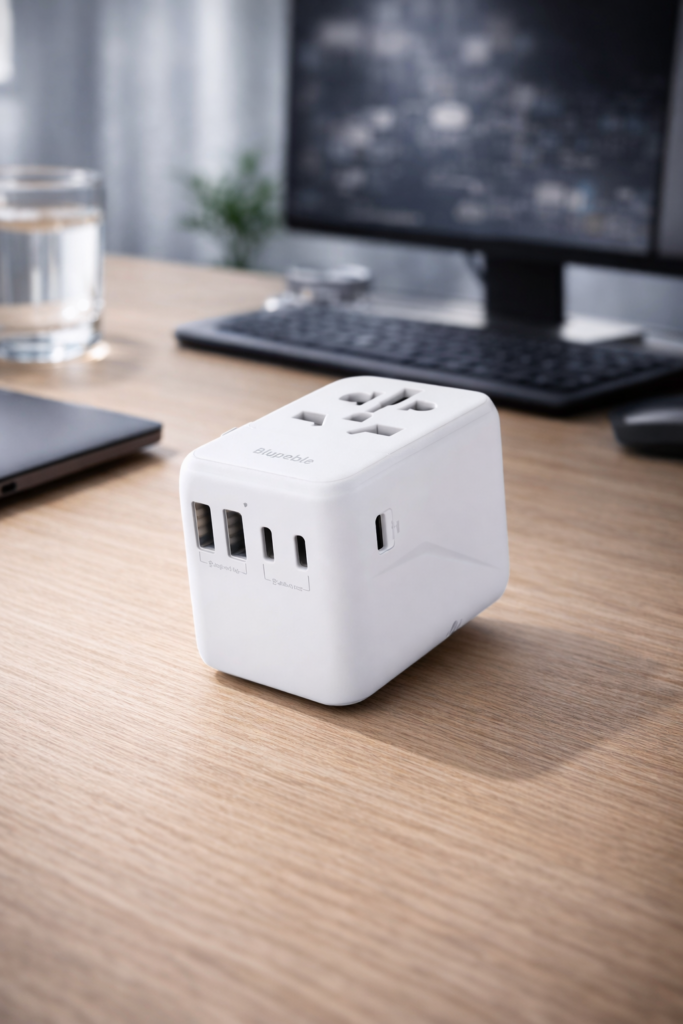
Lastly, wall chargers, often used for mobile devices, are designed to efficiently convert AC power for charging batteries. They can be compact or include multiple output ports for various devices. The convenience of a wall charger enhances user efficiency, ensuring that devices are charged quickly without requiring multiple adapters.
Power Strips: Versatile Solutions for Energy Needs
Power strips serve as essential components in both home and office environments by significantly increasing the number of accessible electrical outlets. This versatility is particularly beneficial in areas where the number of devices can exceed the available outlets, such as workstations crowded with computers, monitors, printers, and chargers. Power strips not only expand access to electricity but also help in managing energy flow effectively, ensuring that multiple devices can operate simultaneously without overloading the circuit.
One of the key features of power strips is their capacity for surge protection. Surge-protected power strips are designed to shield connected devices from voltage spikes caused by lightning strikes, fluctuating power, or other electrical disturbances. These power strips contain built-in mechanisms to absorb excess voltage and reroute it, thereby preventing damage to sensitive electronics. For individuals and organizations heavily reliant on electronics, investing in a surge-protected power strip can be a prudent decision to safeguard equipment and maintain productivity.
Another type worth considering is the multi-outlet power strip, which comes with various configurations, such as USB ports, additional safety features, and individual switches for each outlet. This allows users to control the power supply effectively, switching off devices that are not in use, which can contribute to energy savings over time. Additionally, modern power strips are often designed with features for easy accessibility, including rotating outlets and flat plug designs that fit easily behind furniture or in tight spaces.
In conclusion, choosing the right power strip can greatly enhance the functionality and safety of electric systems in any setting. By understanding the different types available, including surge-protected and multi-outlet options, users can better meet their energy needs while effectively managing their devices.
Surge Protectors: Safeguarding Your Devices
Surge protectors are essential devices designed to protect electronic equipment from voltage spikes or surges that can cause significant damage. These voltage spikes can arise from various sources, including lightning strikes, power outages, or the sudden activation of large appliances that draw excessive current. Without surge protection, valuable devices such as computers, televisions, and other electronics are at risk of malfunction or complete failure, potentially leading to costly repairs or replacements.
Choosing the right surge protector involves several critical considerations. It is important to assess the clamping voltage, which is the threshold level that triggers the device’s protective features. A lower clamping voltage means better protection, as it indicates the surge protector will act more quickly to divert harmful excess voltage away from connected devices. Additionally, consider the surge protection rating, measured in joules, which indicates how much energy the surge protector can absorb before failing. A higher joule rating typically equates to better protection over a longer duration.
There are several common misconceptions regarding surge protectors. One prevalent belief is that all power strips provide surge protection; however, not all power strips offer this feature, and it is vital to check the specifications. Moreover, many users assume that surge protectors last indefinitely. In reality, they wear down over time, especially after absorbing a significant surge. Regularly replacing surge protectors is crucial to maintaining continued protection for your devices.
In summary, investing in a quality surge protector is vital for safeguarding electronic equipment from unforeseen voltage spikes. By understanding their function and features, and debunking common myths, you can ensure a higher level of protection for your home and office devices.
Extension Boards: Expanding Reach and Accessibility
Extension boards, commonly referred to as power strips, serve a vital function by extending electrical power availability, particularly to devices situated far from wall outlets. Their role is indispensable in modern households and offices, where multiple electronic devices require convenient access to power sources. By integrating an extension board, users can efficiently manage their power connections and reduce the clutter associated with multiple chargers and plugs.
There are various types of extension boards available in the market, each designed to cater to different requirements and use cases. Standard models typically feature multiple AC outlets that allow numerous devices to be powered simultaneously. Some advanced extensions include USB ports, which are particularly useful for charging smartphones and tablets without needing an additional adapter. Surge-protected extension boards are also available, providing an extra layer of safety by guarding connected devices against voltage spikes and surges.
When selecting an extension board, several key features should be taken into account. First, consider the total wattage and amperage ratings, which indicate the limit of power that the extension board can handle safely. It is essential to choose a board that accommodates all connected devices without exceeding these limits. Additionally, look for built-in safety features such as circuit breakers and thermal fuses, which can help prevent overheating and potential electrical fires.
In terms of safety tips, it is crucial to avoid overloading the extension board by plugging in too many high-wattage devices at once. Extension boards should be placed in well-ventilated areas to dissipate heat effectively. Furthermore, regular inspection for signs of wear and tear, such as frayed cords or damaged outlets, is advised to ensure the longevity and safety of use. Proper installation and utilization of extension boards in both home and office spaces will greatly enhance accessibility and efficiency in managing electrical devices.
Wall Chargers: Optimizing Power Supply for Devices
Wall chargers play a pivotal role in powering various electronic devices, including smartphones and laptops, providing an efficient means to ensure that these gadgets remain operational. As technology has evolved, the design and functionality of wall chargers have also advanced significantly. They are essential not only for charging but for enhancing the overall device user experience by ensuring timely charging and reliability.
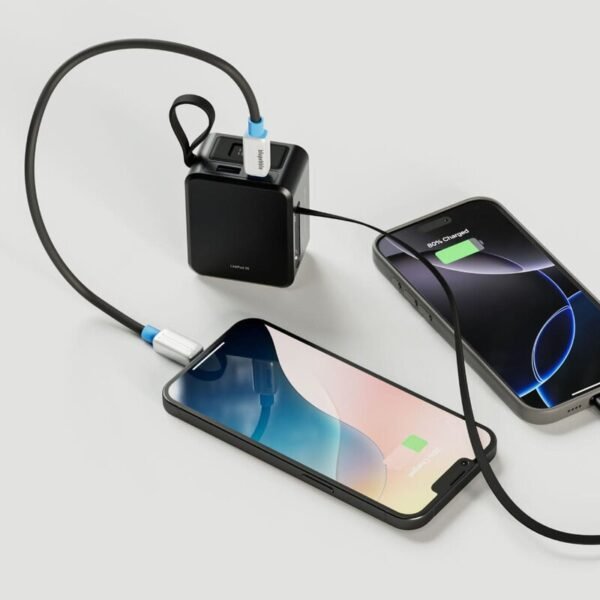
One of the primary aspects to consider when selecting a wall charger is fast charging capabilities. Fast charging technology allows devices to regain battery power at a much quicker rate than traditional chargers. This feature is particularly beneficial for individuals who rely on their devices for work or personal use, as it minimizes downtime when charging is necessary. Various standards, such as Quick Charge and Power Delivery, have emerged to support this feature, facilitating a rapid energy transfer to compatible devices.
Additionally, the versatility of wall chargers has improved with the inclusion of multiple USB ports. This feature allows users to charge several devices simultaneously, thus optimizing power supply management at home or in an office environment. With diverse charging options available, consumers can select wall chargers that offer a mix of USB-A and USB-C ports, catering to a wider array of modern devices.
Safety standards are another critical consideration when choosing wall chargers. It is essential to select products that comply with safety regulations to prevent overheating, short-circuiting, or other electrical hazards. Look for chargers equipped with over-voltage protection and temperature control to ensure peace of mind while charging. Overall, investing in a quality wall charger can significantly enhance the charging experience, ensuring that devices are powered efficiently and safely.
Design and Functionality: Achieving Balance
The design of AC power products is integral not only to their functionality but also to the overall user experience. When conceptualizing power solutions for home and office settings, manufacturers must prioritize aspects such as form factor, cable management, and aesthetic appeal while ensuring ergonomic considerations are met to enhance usability.
Form factor is pivotal in determining how well a product fits within its intended environment. A well-designed power solution should seamlessly integrate into both home and office decor, while being compact enough to avoid taking up excessive space. This is especially relevant in smaller environments where every inch counts. Moreover, a thoughtful form factor can facilitate better placement options for users, ultimately enhancing the accessibility of power sources.
Cable management is another critical factor that often influences the buying decision. A product designed with built-in cable management features not only promotes a tidy appearance but also contributes to safety by minimizing trip hazards and potential damage to wires. This design consideration enhances the functionality of the power solution, as users benefit from a cleaner, more organized workspace.
Aesthetic appeal should not be discounted either, as it plays a significant role in users’ relationship with their devices. Power solutions that embody a modern design language can enhance the overall aesthetic of an environment, correlating with the rising trend of minimalism in contemporary interior design. Therefore, balancing style and practicality can elevate the user experience.
Lastly, ergonomic features improve ease of use and comfort during operation. Considerations like button placement, ease of connecting and disconnecting cables, and the overall weight of the product can significantly affect how users interact with these devices. This balance of design and functionality is essential in improving efficiency while ensuring user satisfaction.
Conclusion: Navigating Your Options for Safe and Efficient Power Solutions
In closing, understanding the various AC power solutions available for both home and office settings is crucial for ensuring operational efficiency and safety. Throughout this guide, we have highlighted the importance of selecting appropriate power supplies, surge protectors, and uninterruptible power supplies (UPS) to meet your specific electrical needs. Investing in reliable AC power accessories is not merely a recommendation; it is an essential step to safeguarding your devices and maintaining a smooth workflow.
Considering the spectrum of options available, it is important to assess your power requirements carefully. Evaluate the types and quantities of devices you need to support, and determine whether you need additional features such as surge protection or backup power capabilities. By doing so, you can prevent potential electrical hazards and ensure that your equipment operates optimally.
The decision to invest in quality AC power solutions can significantly influence your day-to-day operations. Whether you are a homeowner looking to secure your electronic devices or a business owner seeking to maintain productivity without interruptions, the right power solutions can make a substantial difference. It enables seamless functioning while minimizing risk and enhancing overall performance.
As you navigate through the available options, keep in mind that the safety of your devices and systems should always come first. The cost-effective choice may not always align with long-term reliability, which is why prioritizing safety features is vital. By choosing wisely, you can create a power-efficient environment that meets your needs both now and in the future.