Introduction: Importance of Quality Audio in Daily Life
In contemporary society, the significance of quality audio cannot be overstated. Whether individuals are engaging in leisure activities such as listening to music, watching films, or playing video games, the auditory experience greatly enhances enjoyment and immersion. Quality audio equipment, including headphones and speakers, plays a vital role in creating an engaging atmosphere that can deeply resonate with users. The crispness of sound, the balance of frequencies, and overall audio fidelity contribute to a richer, more fulfilling experience. When people invest in high-quality audio devices, they often find that familiar songs elicit stronger emotional responses, cinematic sequences become more gripping, and game soundscapes draw players further into the digital world.
Beyond entertainment, quality audio also has profound implications for productivity in professional environments. Numerous studies have indicated that audio fidelity can impact concentration levels and overall work efficiency. Employees equipped with high-performance audio setups often report improved focus during tasks that require extended periods of concentration. This highlights the importance of audio not only as a source of enjoyment but also as a crucial element that can enhance workplace dynamics.
Furthermore, the psychological benefits associated with quality sound should not be overlooked. Good audio can elevate mood, reduce stress, and even serve as a tool for relaxation. In an age where mental well-being is increasingly prioritized, having an audio setup that provides soothing, high-definition sound can be immensely beneficial. This trend towards upgrading audio systems is becoming more prevalent, both in personal and professional spaces, as individuals prioritize quality in their audio experiences. The quest for superior sound quality has become a significant aspect of daily life, making informed decisions regarding audio equipment more important than ever.

Overview of Headphones and Speakers
In the realm of audio equipment, the two primary categories are headphones and speakers, each serving distinct purposes and catering to various user preferences. Headphones are designed for personal listening, providing a close, immersive audio experience, while speakers distribute sound within a room or space, creating a communal atmosphere for listeners.
When comparing headphones and speakers, one of the main advantages of headphones is their portability. The compact design allows users to enjoy music on the go without disturbing others. Furthermore, noise-isolating or noise-canceling features available in many headphone models ensure a focused listening experience, free from external distractions. However, the intimacy of headphones can sometimes lead to a less engaging experience when it comes to shared listening or home entertainment.
On the other hand, speakers excel in producing a fuller sound suitable for gatherings or larger spaces, enhancing the auditory experience with broader soundstage and depth. The sound produced by speakers can envelop an entire area, making them ideal for social events or home theaters. Yet, they often lack the personal proximity provided by headphones and require more space, limiting their usability in certain environments.
Another crucial factor that impacts the choice between headphones and speakers is the user’s lifestyle and specific needs. For instance, audiophiles may prefer high-quality headphones for detailed audio playback, while casual users might opt for speakers for background music. Ultimately, personal preference plays a significant role in selecting between these two audio options, presenting unique advantages and disadvantages that cater to varying listening habits.
Types of Headphones
When selecting the right audio equipment, understanding the different types of headphones available can significantly enhance your listening experience. Headphones primarily fall into four categories: wired, wireless, noise-cancelling, and earbuds, each offering unique features and benefits tailored to various needs.
Wired Headphones are the traditional option that connects directly to audio devices via a cable. These headphones are known for their reliable sound quality and typically do not require battery power. Due to this direct connection, users can enjoy a consistent audio experience without interruptions. Wired headphones are ideal for home use, studio settings, or for audiophiles who prioritize sound fidelity over convenience.
Wireless Headphones, conversely, connect via Bluetooth, providing freedom of movement without cumbersome wires. This type of headphone has gained immense popularity due to its convenience, often featuring long-lasting battery life, touch controls, and seamless integration with smart devices. They are perfect for users who lead an active lifestyle, such as in the gym or while commuting.
Noise-Cancelling Headphones utilize advanced technology to reduce ambient sounds, creating an immersive listening experience. These headphones are particularly beneficial in noisy environments, such as airplanes or crowded public spaces. By blocking out external noise, users can focus solely on their music, podcasts, or audiobooks. Noise-cancelling options are suitable for frequent travelers or anyone seeking to enjoy their audio uninterrupted.
Earbuds represent the most compact option, often preferred for their portability and comfort. These headphones fit directly into the ear canal, providing a snug fit that minimizes sound leakage. Many modern earbuds include advanced features, such as wireless connectivity and touch controls, making them appealing for daily use. They are especially favored by casual listeners and those seeking a discreet audio solution.
Types of Speakers
When it comes to selecting audio equipment, the variety of speakers available can be overwhelming. Each type of speaker serves specific needs and environments, enabling users to enjoy their audio experience fully. The main categories include Bluetooth speakers, portable speakers, home audio systems, and smart speakers.
Bluetooth speakers are popular for their convenience and wireless capability. They allow users to connect smartphones or tablets easily, streaming music while eliminating cumbersome cables. These speakers come in various sizes, from compact designs that fit in a bag to larger versions that can fill a room with sound. Their portability is ideal for outdoor activities and gatherings, making them versatile in usage.
Portable speakers, although similar to Bluetooth varieties, often emphasize battery longevity and durability. These speakers may be waterproof or shockproof, catering to active lifestyles. They typically prioritize sound quality alongside portability, offering a robust listening experience in any setting, from picnics to road trips.
Home audio systems, on the other hand, are designed for stationary use and often provide superior sound fidelity and a richer audio experience. These systems can include multiple components, such as amplifiers, subwoofers, and traditional speakers, which can be arranged to create an immersive soundscape. They excel in larger spaces and are perfect for audiophiles who seek high-quality sound reproduction.
Smart speakers have gained immense popularity due to their multifunctionality. Equipped with voice control technology, they allow users to interact with various applications, control smart home devices, and even ask questions. While audio quality may vary, their convenience and integration capabilities make them appealing for tech-savvy users seeking to streamline their environments.
Understanding these distinct types of speakers can significantly aid in selecting the right one to match your audio needs and lifestyle.
Key Audio Features
Choosing the right audio equipment, whether headphones or speakers, requires careful consideration of several critical audio features, specifically sound quality, bass response, audio clarity, and battery life. Each of these elements plays a distinctive role in delivering an enjoyable listening experience and can significantly influence user satisfaction based on individual preferences and usage scenarios.
First and foremost, sound quality is paramount. This encompasses how accurately the audio equipment reproduces sound. A high-quality audio device should produce a well-balanced sound that captures both low and high frequencies effectively. Users often prioritize sound quality depending on their listening needs, such as music genre preference or immersion in films. An accurate sound reproduction can enhance the emotional connection to the audio experience.
Bass response is another vital feature, especially for bass enthusiasts and those who enjoy genres like hip-hop, electronic, or rock music. Quality headphones and speakers must provide deep, punchy bass without compromising the overall sound quality. In contrast, devices that overly emphasize bass might muddle mid-range frequencies, resulting in a less enjoyable experience.
Audio clarity is equally essential, particularly for spoken word content such as podcasts and audiobooks. Clear reproduction ensures vocals are distinct and intelligible. This becomes vital in environments with background noise or when the user desires detailed audio to catch all nuances in dialogues.
Lastly, battery life is an important consideration for portable audio devices. A longer battery life allows for extended listening sessions without the need for frequent recharging. Users should choose headphones and speakers that balance performance with a battery that meets their mobility needs. Overall, evaluating these audio features will help consumers select devices tailored to their specific listening preferences and use cases.
Design, Comfort, and Portability
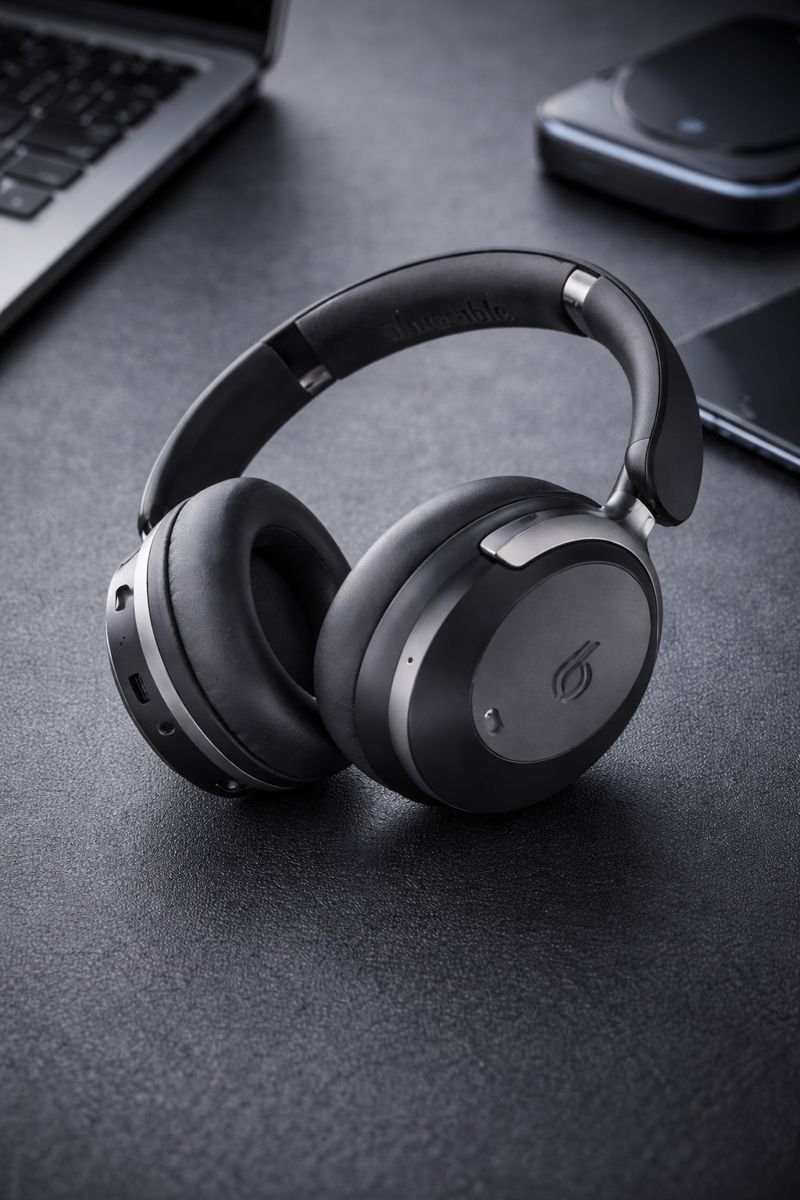
When selecting the right audio equipment, design, comfort, and portability play a pivotal role in ensuring satisfaction and usability. Audio devices come in diverse forms, each catering to specific needs and preferences. The design of headphones and speakers not only affects their aesthetic appeal but also their functionality. For instance, over-ear headphones provide superior sound isolation due to their encompassing design, making them ideal for immersive listening experiences. On the other hand, in-ear models are hailed for their compact, lightweight nature, suitable for on-the-go use.
Comfort is another crucial factor to consider. Prolonged usage of headphones or speakers can lead to discomfort without adequate padding or ergonomic design. Features such as adjustable headbands, soft ear cushions, and breathable materials can enhance the listening experience considerably. As such, it is advisable to try different designs to find those that best suit individual preferences, particularly for users who plan to wear the equipment for extended periods.
Portability is essential for users who frequently travel or move around. Lightweight headphones are often preferred for their ease of transport, while foldable designs further enhance convenience. Not only do portable audio equipment options allow you to enjoy music anywhere, but they also cater to a lifestyle that values flexibility. In this context, assessing the weight and size of headphones or speakers is vital; bulky models may be less desirable for commuting or travel.
In summary, when choosing audio equipment, it is essential to take into account the interplay of design, comfort, and portability. These aspects directly influence user satisfaction and experience, helping to personalize audio enjoyment. Whether one prioritizes aesthetics, ergonomic features, or ease of transport, finding the right balance among these factors will ultimately lead to a better informed choice in audio equipment.
Use Cases for Headphones and Speakers
When selecting audio equipment like headphones and speakers, it is essential to consider the specific use cases they will be addressing. Different environments and activities require distinctive audio features to optimize the listening experience. Below are some prevalent use cases categorized by environment and activity.
Work Environments: In professional settings, quality audio equipment can significantly enhance productivity. Over-ear headphones that provide active noise cancellation can help minimize distractions in open office layouts, enabling focus on tasks. Bluetooth speakers can facilitate conference calls and presentations, offering clear sound that ensures all participants can engage effectively.
Travel Scenarios: Portable and lightweight headphones are crucial for travelers. Noise-canceling headphones allow for immersive listening, blocking out ambient sounds on planes or trains. Additionally, compact Bluetooth speakers can provide a shared listening experience, making it easier to enjoy music with fellow travelers or provide entertainment in hotel rooms.
Gaming Experiences: Gamers often require audio equipment that can provide spatial awareness and immersive soundscapes. Headphones designed specifically for gaming usually feature surround sound capabilities, which enhance gameplay by helping players pinpoint directionality of sounds. Additionally, gaming speakers can elevate the overall experience with high fidelity and a surrounding sound field, particularly when playing at home.
Fitness Routines: For fitness enthusiasts, sweat-resistant headphones or earphones are a must. Wireless options that securely fit during movement are highly advantageous, providing freedom while exercising. Alternatively, portable speakers can create an energetic atmosphere for group fitness classes, ensuring everyone enjoys the music and motivation to push through their routines.
Home Entertainment: Home audio setups often require a balance of powerful speakers and quality headphones. Surround sound systems provide a cinematic experience, ideal for movie nights. On the other hand, high-fidelity headphones cater to audiophiles who seek to enjoy music with exceptional clarity, allowing for a deep connection to the sound.
By identifying the audio equipment suitable for specific scenarios, users can greatly enhance their listening experiences across various activities.
Connectivity and Compatibility with Devices
When selecting the right audio equipment, a critical aspect to consider is the connectivity and compatibility with various devices. Consumers today use a range of devices such as smartphones, laptops, tablets, and gaming consoles, thus necessitating audio equipment that can seamlessly integrate with these technologies. Headphones and speakers typically offer a variety of connectivity options to accommodate these diverse needs.
Wireless technologies have become increasingly popular in recent years, with Bluetooth being one of the primary methods for connecting headphones and speakers to devices. Bluetooth technology allows for a convenient, cable-free experience, making it easy to pair audio equipment with smartphones and tablets. Moreover, the latest Bluetooth versions provide improved sound quality and reduced latency, ensuring a more enjoyable listening experience. Another innovative wireless protocol is Wi-Fi, which is often found in high-end speakers. Wi-Fi connectivity can offer superior audio quality and the ability to stream music from multiple sources, such as home networks or online platforms.
On the other hand, wired connections remain important for many users who prioritize sound fidelity and reliability. The 3.5mm AUX connection is still a ubiquitous choice for headphone compatibility, enabling connection to various devices without relying on battery life, which is often limited in wireless models. Additionally, USB connections are increasingly favored for both headphones and speakers, particularly with portable and stationary setups. USB connectivity can provide enhanced sound quality and allow for easy charging of devices, a feature appreciated by gamers and audiophiles alike.
Ultimately, the choice between wired and wireless audio equipment should be guided by individual preferences and lifestyle needs. Whether prioritizing the freedom of wireless technology or the reliability of wired connections, understanding these options will empower consumers to make informed decisions about their audio equipment.
Where to Buy Headphones
When it comes to purchasing headphones, consumers have a plethora of options available to them, both online and in physical retail locations. Each avenue offers distinct advantages that cater to varying preferences and needs.
Online marketplaces such as Amazon, Best Buy, and B&H Photo provide extensive selections of headphones, often accompanied by customer reviews that can guide decision-making. Online shopping allows consumers to compare prices easily, read reviews, and enjoy the convenience of home delivery. Additionally, it is common for online retailers to host sales and promotions periodically, which can result in significant savings.
On the other hand, buying headphones from physical stores like Target or Walmart allows consumers to test the products firsthand. The tactile experience of trying on different models can be invaluable when selecting the right fit and sound quality. Moreover, retail employees can offer personalized recommendations, ensuring that buyers are well-informed before making a purchase.
Brand websites also serve as reputable sources for buying headphones. Manufacturers such as Bose, Sony, and Sennheiser often provide exclusive online deals, alongside comprehensive product information and specifications that may not be available through third-party sellers. Shopping directly from brand websites can also simplify the warranty registration process, enhancing customer support in the event of product issues.
When deciding where to buy headphones, several factors should be considered, including pricing, warranty, and customer service. It’s prudent to ensure that the chosen retailer offers a clear return policy and post-purchase support. This guarantees peace of mind, knowing that if the headphones do not meet expectations, customers can return or exchange them without hassle.