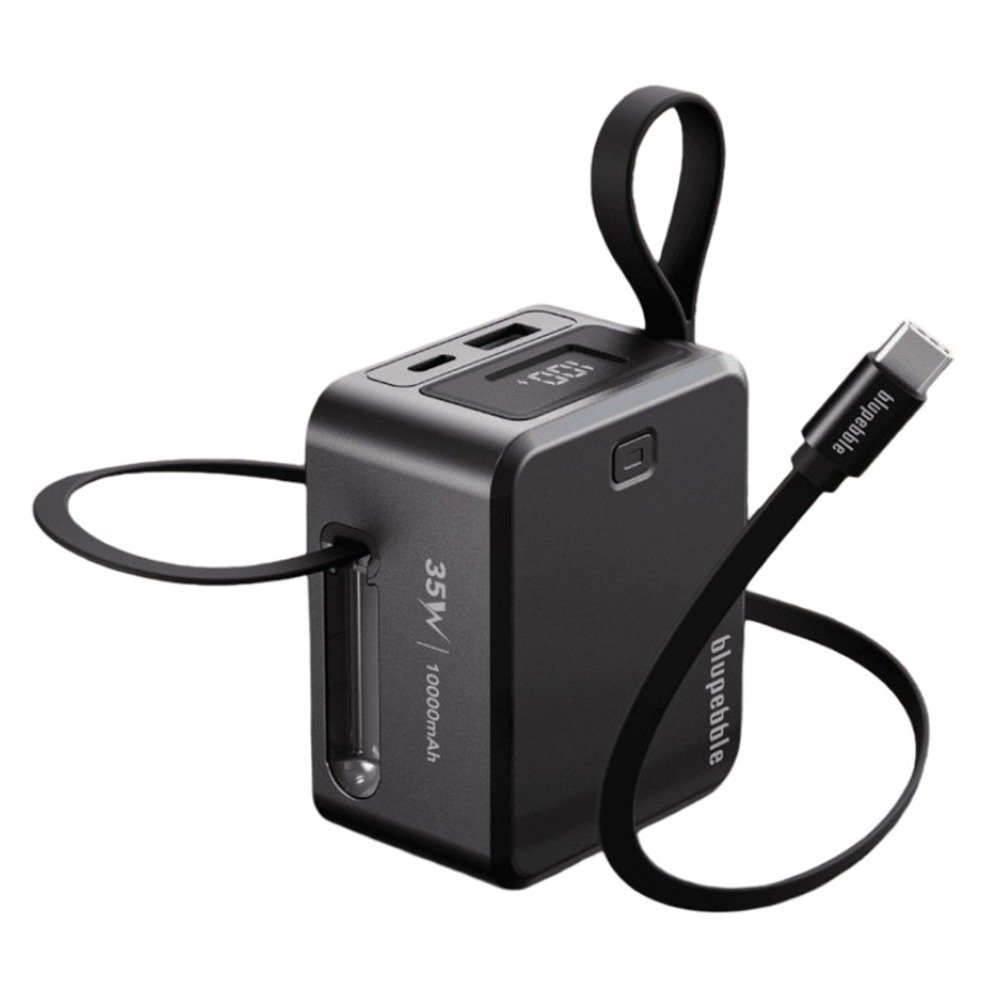
Introduction
In recent years, the proliferation of smartphones and other portable devices has significantly altered the way we communicate, work, and entertain ourselves. As our reliance on these gadgets continues to intensify, one of the most pressing challenges that users face is battery life limitations. The constant demand for access to information, social media, and productivity tools can swiftly deplete device batteries, often leading to inconvenient situations, especially when on the move.
This growing concern has catalyzed a shift towards portable and efficient charging solutions, with wireless power banks emerging as a popular answer. Wireless power banks allow users to charge their devices without the hassle of cords and cables, offering convenience and ease in a fast-paced world. As more consumers recognize the benefits of wireless charging technologies, including enhanced portability and efficiency, the market for these power banks is expected to expand rapidly.
Moreover, the evolution of wireless charging mechanisms has improved their reliability and speed, making them a viable alternative to traditional charging methods. Modern consumers are seeking solutions that not only accommodate their fast-paced lifestyles but also align with their expectations of technological advancement. Consequently, the popularity of wireless power banks is not just a trend but a response to an essential need—a need for on-the-go charging solutions that seamlessly integrate into daily activities.
As we delve deeper into the world of wireless power banks, this guide will highlight the various aspects of these devices, their benefits, and how they fit into the contemporary landscape of mobile technology. Understanding the surging interest in portable charging options is key to appreciating the impact of these innovations on consumer habits and preferences.

What is a Wireless Power Bank?
A wireless power bank is a portable battery pack designed to charge devices without the need for physical connections, such as USB cables. Utilizing inductive charging technology, these power banks enable users to recharge their smartphones, tablets, and other compatible electronic devices simply by placing them on the surface of the power bank. This method of charging relies on the principle of electromagnetic induction, where energy is transferred through magnetic fields between two coils—one in the power bank and one in the device being charged.
Wireless power banks differentiate themselves from traditional wired power banks, which typically require a direct connection via a charging cable. While wired power banks offer efficiency in terms of charging speed and compatibility with a broader range of devices, the convenience of a wireless power bank lies in its ability to eliminate the hassle of cords. Users can simply set their device down to initiate charging, making them ideal for on-the-go lifestyles.
Key terminology associated with wireless charging includes Qi, which is the standard for wireless power transfer. Many modern wireless chargers, including wireless power banks, comply with this standard, ensuring compatibility across various devices. Additionally, terms like “wattage” and “charging speed” are important metrics to consider, as they indicate how quickly a device can be charged wirelessly. Understanding these concepts helps consumers select the right wireless power bank that meets their charging needs.
In essence, wireless power banks represent a significant advancement in portable charging technology, marrying convenience with functionality for users looking to stay powered without the constraints of cables.
Key Features of Wireless Power Banks
Wireless power banks have gained significant popularity due to their convenience and efficiency in charging devices without the need for traditional cables. One of the most appealing features of these power banks is their wireless charging capability. This feature allows users to simply place their compatible device onto the power bank, enabling a seamless charging experience. Most modern smartphones support Qi wireless charging, making it easier for users to power their devices on the go, eliminating the hassle of tangled cords.
Another important feature to consider is fast charging options. Many wireless power banks are equipped with advanced technology that can significantly reduce charging times. Look for power banks that offer quick charge capabilities, which can provide a substantial power boost in a short timeframe. Not only do these features enhance user convenience, but they also meet the demands of our fast-paced lifestyle.
Total capacity is a critical factor when selecting a wireless power bank. The capacity, typically measured in milliampere-hours (mAh), indicates how much charge the power bank can store. For users who frequently charge multiple devices or larger gadgets, opting for a power bank with a higher capacity ensures that all devices can be charged throughout the day without needing to recharge the power bank itself.
Lastly, safety features are paramount in ensuring both the device being charged and the user are protected. Look for wireless power banks that are equipped with mechanisms such as overcharge protection, short-circuit protection, and temperature control. These safety features prevent damage to your devices from unexpected surges and provide peace of mind while charging.
Compatibility with Smartphones and Accessories
When selecting a wireless power bank, it is essential to consider its compatibility with your smartphones and accessories. Most modern smartphones, including flagship models from popular brands such as Apple and Samsung, support wireless charging through the Qi standard. This universal wireless charging protocol enables efficient energy transfer between the power bank and the devices. However, not all devices are Qi-compatible, and checking your device’s specifications before investing in a wireless power bank is crucial.
In addition to smartphones, many accessories such as wireless earbuds, smartwatches, and even certain tablets may also support Qi charging. Understanding the charging capabilities of these devices can enhance your experience, allowing you to power multiple gadgets simultaneously. Some wireless power banks come equipped with multiple coil placements, making it easier to charge different devices without precise alignment. This feature is particularly beneficial when dealing with multiple accessories.
Furthermore, some users may own older devices that do not support wireless charging. For such instances, several wireless power banks include a USB output option, allowing users to connect their devices using a conventional cable. This dual functionality can provide great flexibility, ensuring you are not restricted to one charging method.
It is advisable to check for compatibility before making a purchase. Manufacturers often list compatible devices on their packaging or product descriptions, and consulting online resources or customer reviews can also provide insights into performance with specific devices. By ensuring your chosen power bank is compatible with your smartphone and accessories, you can guarantee a seamless charging experience that meets your needs while on the go.
Benefits of Wireless Power Banks Over Wired Power Banks
Wireless power banks have gained significant popularity as the go-to solution for users looking to charge their devices while on the move. One of the most notable advantages is the convenience they offer by eliminating the need for traditional tangled cords. With wireless charging, users can simply place their devices on the power bank without fumbling with connectors, thereby greatly simplifying the charging process. This makes wireless power banks an ideal choice for those who lead busy lives and are constantly on the go.
Additionally, the ease of use provided by wireless power banks enhances the overall user experience. Many of these devices come equipped with advanced charging technology that automatically aligns the charging pad with the device, ensuring optimal charging efficiency. This is a marked contrast to wired power banks, which require precise plug-in to initiate charging. Users can now enjoy a more seamless integration of technology into their daily routines.
Furthermore, advancements in wireless charging technology have led to faster charging times than ever before. Although it is commonly perceived that wired connections are always faster, recent developments in Qi wireless charging standards have allowed some wireless power banks to charge devices nearly as swiftly as wired options. This reduction in charge time is particularly beneficial for users who are eager to quickly power up their smartphones, tablets, or other portable devices.
In conclusion, the benefits of wireless power banks over wired alternatives are numerous. From eliminating the hassle of cords to offering enhanced ease of use, and leveraging modern advancements for faster charging, wireless power banks provide an appealing choice for those seeking a practical and efficient charging solution.
Design, Portability, and Build Quality
Wireless power banks have become an essential accessory for many users who require reliable charging solutions on the go. When evaluating wireless power banks, the design, portability, and build quality play critical roles in their overall effectiveness and user experience. A well-designed power bank not only enhances its aesthetic appeal but also contributes significantly to its practical usability.
A key aspect of design is the form factor of the power bank. Many contemporary models prioritize slim, lightweight profiles, allowing users to easily slip them into pockets or bags without added bulk. Such portability is especially advantageous for travelers and professionals who rely on various devices throughout their day. Slim designs often incorporate ergonomic grips, making it comfortable to hold and use. Furthermore, the incorporation of rounded edges and modern finishes can improve the aesthetic while ensuring it fits seamlessly in a variety of environments.
Build quality is equally important when selecting a wireless power bank. Durability should never be an afterthought, especially for devices frequently used in different settings. Manufacturers often opt for rugged materials, including shock-resistant plastics or aluminum cases, which can withstand the rigors of everyday life. Weather-resistant features, such as sealed ports or coatings, further enhance reliability. These quality materials not only ensure the longevity of the power bank but also safeguard the internal components against damage from accidental drops or exposure to the elements.
In summary, the design, portability, and build quality of a wireless power bank significantly influence its functionality and user satisfaction. By prioritizing lightweight materials, a slim profile, and robust construction, users can enjoy a device that is not only aesthetically pleasing but highly practical for daily use.
Real-World Use Cases of Wireless Power Banks
In an increasingly mobile-centric society, the functionality and convenience of wireless power banks have made them indispensable across various daily scenarios. These portable charging devices have found their place in travel, work environments, outdoor activities, and everyday life, providing seamless power solutions to users.
When traveling, a wireless power bank proves invaluable. Whether on a long-haul flight or a weekend road trip, having a reliable source of power ensures that smartphones, tablets, and other gadgets remain charged, allowing travelers to access maps, entertainment, and communicate without interruptions. For example, a traveler can simply place their smartphone on a wireless power bank during a layover, ensuring the device is ready to capture stunning vacation photos as soon as they land.
In professional settings, wireless power banks enhance productivity. Work-related meetings often require the use of multiple devices, ranging from laptops to mobile phones. A wireless charging solution can keep these essential gadgets powered up without the hassle of tangled wires, promoting a more organized workspace. For instance, a business executive can charge a headset and a tablet simultaneously during a conference, allowing them to stay connected and engaged.
Outdoor enthusiasts also benefit greatly from wireless power banks. Whether hiking, camping, or participating in sports activities, these devices allow individuals to keep their electronic gear charged. Imagine a family enjoying a day at the beach, with portable speakers and cameras continuously recharged by a wireless power bank, enhancing their overall experience.
Lastly, in daily life, the relevance of wireless power banks continues to grow. Individuals often need to charge devices while commuting or running errands. A power bank can be as simple as placing one’s phone down on a charging pad while having coffee, allowing for hassle-free power without needing to find an outlet.
Safety and Battery Protection Features
Wireless power banks are essential for on-the-go charging, but it is crucial to understand the safety and battery protection features integrated into these devices. Quality power banks are equipped with several safety mechanisms designed to protect not only the power bank itself but also the devices being charged and the user. One of the primary features is overcharge protection, which prevents the battery from being charged beyond its limits. This feature mitigates risks such as battery swelling or even explosion, ensuring longevity and reliability.
Another vital aspect is temperature control. Many modern power banks come with temperature sensors that monitor heat levels during the charging process. If the temperature rises above a pre-determined threshold, the power bank will automatically stop charging. This function is particularly useful in preventing overheating incidents, which can be hazardous and damage devices or the power bank. Furthermore, temperature control circumstances extend the lifespan of the power bank, showcasing the importance of efficient thermal management in safety features.
Short-circuit prevention is also a critical safety mechanism found in reputable wireless power banks. This feature automatically cuts off current flow in the event of a short circuit, eliminating potential hazards and protecting both the power bank and the connected devices. Some advanced models even include foreign-object detection, which prevents charging if an object that is not meant for the charging process, such as metal objects, is detected. These protection features collectively ensure that users can charge their devices with confidence and peace of mind, underlining the importance of selecting a power bank with robust safety measures.
Buying Guide: How to Choose the Right Wireless Power Bank
When considering the purchase of a wireless power bank, there are several crucial factors that consumers should evaluate to ensure they select the most suitable device for their needs. One of the primary aspects to consider is the power bank’s capacity, typically measured in milliamp hours (mAh). A higher capacity indicates that the power bank can store more energy, enabling it to charge your devices multiple times before requiring a recharge itself. For individuals using power-hungry devices like tablets or smartphones with larger batteries, opting for a power bank with at least 10,000 mAh is advisable.
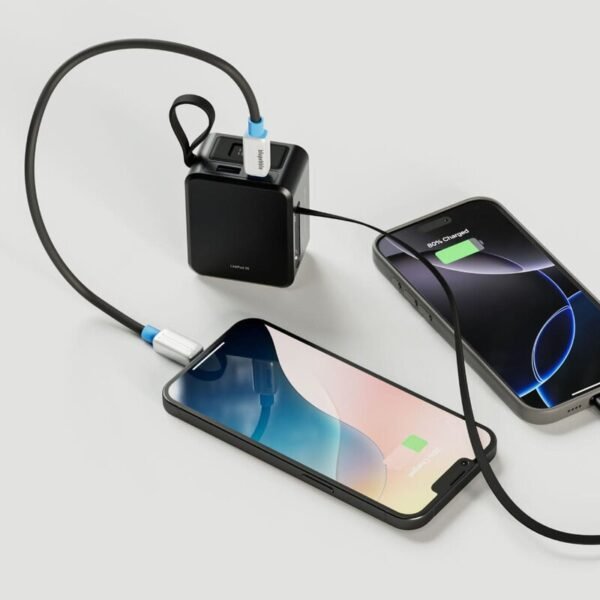
Another significant factor is charging speed. Wireless power banks often vary in their output wattage, which affects how quickly they can charge your devices. Look for power banks that support fast charging technologies, such as Quick Charge or Power Delivery, as these can significantly reduce the time it takes to power up your device. It’s also beneficial to check if the power bank supports simultaneous charging, allowing you to charge multiple devices at once.
The design and portability of the power bank are essential, particularly for those who intend to use it on the go. Considerations such as weight, size, and build quality can impact the overall user experience. A compact, lightweight design is ideal for travel, whereas robust materials can enhance durability.
Compatibility with your devices is equally important. Ensure the wireless power bank supports the charging standards used by your smartphone or tablet, including Qi-standard for wireless charging. Additionally, research reputable brands with solid customer reviews, as well as warranty options that can safeguard your investment. By reflecting on these factors, consumers can confidently select a wireless power bank that aligns with their lifestyle and charging requirements.
Final Conclusion
Throughout this guide, we have explored the numerous advantages of using wireless power banks for charging devices while on the go. Wireless power banks, with their convenience and portability, provide a feasible solution for individuals who rely heavily on their devices in daily life. By eliminating the need for tangled cords and connectors, they allow users to remain mobile without sacrificing power.
We discussed how to choose the right wireless power bank, considering factors such as battery capacity, charging speed, and compatibility with various devices. It is essential to assess your specific requirements before making a purchase. Selecting a power bank that aligns with your device’s needs will enhance your mobile experience greatly. Furthermore, the integration of advanced technologies, such as fast charging and multiple charging ports, increases the functionality of these devices, making them more versatile.
The future of portable charging technology looks promising, with ongoing advancements in wireless charging solutions. Innovations such as solar charging and improved battery technologies are on the rise, aiming to meet a growing demand for effective, eco-friendly charging options. As these advancements evolve, they will continue to provide consumers with more choices and enhance the usability of wireless power banks.
In conclusion, investing in a wireless power bank can significantly improve your daily convenience by providing a reliable and efficient way to keep your devices charged. As the technology continues to progress, considering your personal charging habits and device specifications will ensure you select a suitable wireless charging solution that fits your needs effectively. Embrace the future of charging technology and shift toward a more mobile and wired-free lifestyle today.